Strait of Hormuz: Ongoing Tensions and Shipping Implications
🚢 Strait of Hormuz: Ongoing Tensions and Shipping Implications
U.S. lawmakers, including Senator Rubio, have called on the UN to ensure safe passage for commercial vessels, while Iran has indicated it may close the Strait again in response to perceived threats.
📌 Current Situation:
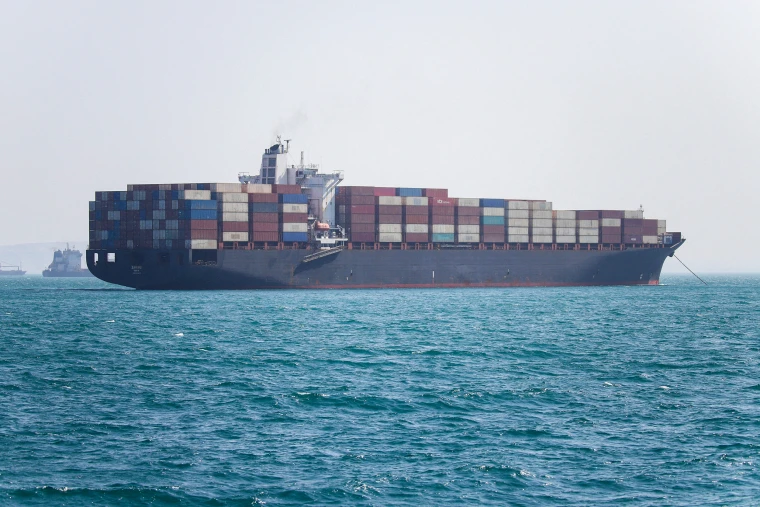
U.S. Central Command reports having assisted around 70 commercial ships through the Strait over the past three weeks.
Iran has accused the U.S. of violating ceasefire conditions and has threatened to stop communication through intermediaries.
Escalations in the region include military actions in Lebanon and responses between U.S. and Iranian forces, creating further uncertainty.
⚠ Why This Matters for Shipping:
The Strait of Hormuz handles nearly 20% of global oil shipments and significant volumes of general cargo.
Any disruption can ripple through global supply chains, impacting freight rates, insurance premiums, and vessel routing.
Shipping companies, freight forwarders, and cargo owners must plan for contingency routes, additional transit times, and potential cost fluctuations.
💡 Key Takeaways for Logistics Professionals:
Operational risk is now tied to geopolitical volatility, not just maritime congestion.
Planning and predictive risk assessment are essential to maintain supply chain resilience.
Alternative Gulf corridors, strategic port hubs, and flexible routing are increasingly critical in mitigating disruption.
While the Strait remains navigable for now, shipping stakeholders are reminded that predictability is as important as capacity. Proactive strategies are required to navigate the evolving landscape safely and efficiently.
💬 Discussion: How are your operations adapting to the uncertainty in Hormuz? Are alternative corridors or ports part of your contingency planning?
#ShippingNews #StraitOfHormuz #Maritime #Logistics #SupplyChain #OceanFreight #ContainerShipping #FreightForwarding #Geopolitics #GlobalTrade #RiskManagement
www.chariusfreight.com/signup