Jet fuel costs and tech demand keep pressure on Asia airfreight
Air cargo capacity out of several Asia origins is continuing to come under pressure as demand remains stable on the back of AI and semiconductor shipments while jet fuel costs restrict operations, according to freight forwarder Dimerco.
In its June market summary, the Taiwan-headquartered forwarder said that airfreight capacity from the island to Europe, the US and intra-Asia was tight, with rates rising.
Services out of South Korea were also facing tight capacity and rising rates to the US and intra-Asia.
“The pressure is being driven by semiconductor, AI server, high-tech and e-commerce shipments,” the forwarder said.
It added that jet fuel constraints are also reducing effective capacity, with some carriers lowering payloads or replacing Boeing 747 freighters with smaller but more fuel-efficient Boeing 777 aircraft.
“Even with demand levels relatively stable versus last year, effective market capacity has tightened significantly due to fuel-related operational adjustments,” Dimerco explained.
On the other hand, Dimerco said that recent trade talks between the US and China had led to some high-tech shippers resuming direct airfreight services from China to the US, reducing earlier transhipment flows via Southeast Asia hubs such as Singapore, Thailand, and Taiwan.
“While some direct China-US airfreight volumes are returning as trade policies stabilise, strong AI and semiconductor demand continues to keep capacity extremely tight across Asia,” said Kathy Liu, vice president of global sales and marketing at Dimerco Express Group.
The forwarder also reported ongoing backlogs and congestion in Southeast Asia, particularly in Thailand where rates were on the rise.
“Operational congestion is adding to the challenge,” Dimerco said, reporting continued delays at Thailand’s Suvarnabhumi Airport, especially at Thai Airways (TG) and Bangkok Flight Services (BFS) terminals, “affecting cargo handling, customs clearance and export operations”.
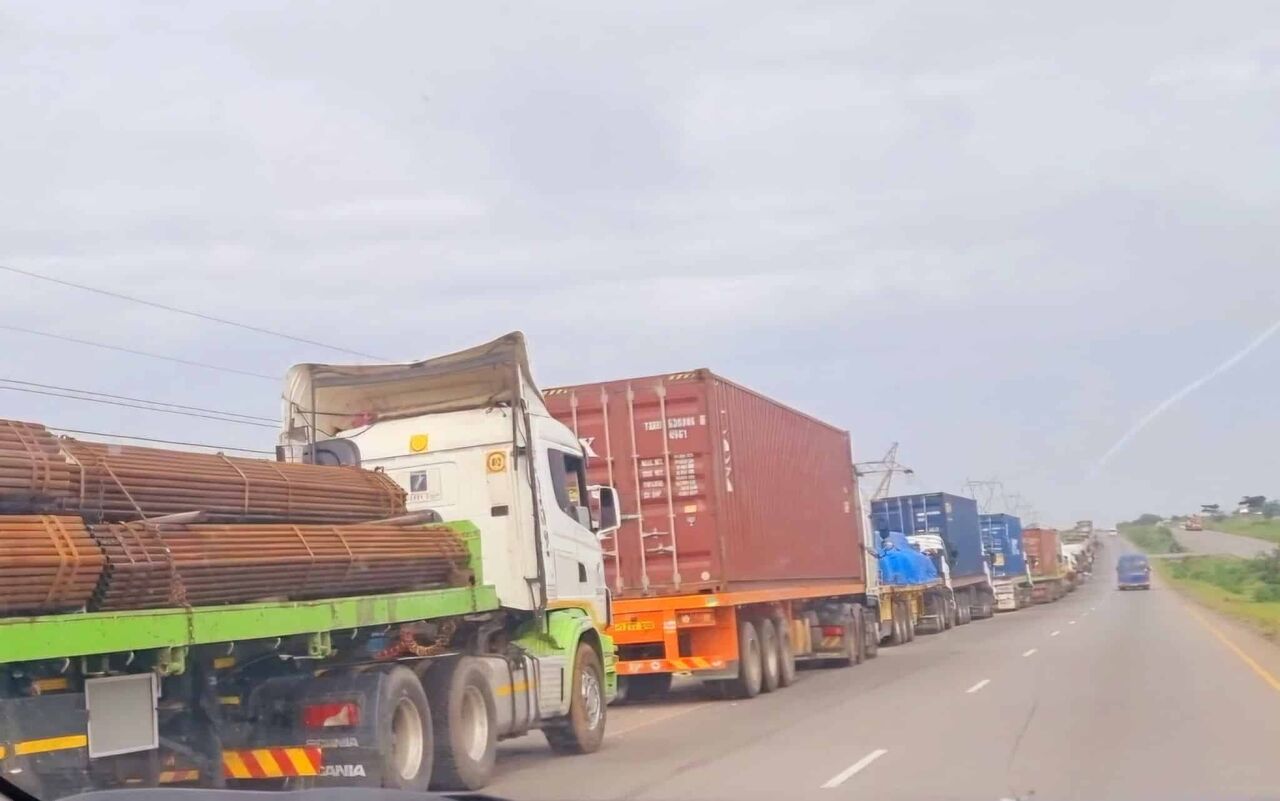
Lead times at the airports are leading to the use of cross-border trucking.
“Congestion at Thailand’s airport terminals has become a key operational challenge, with cargo lead times from arrival to final pickup exceeding seven days in some cases,” Dimerco said.
“As an alternative, more shippers are turning to cross-border trucking solutions from China and neighbouring Southeast Asian countries into Thailand.”
Services from Malaysia’s Kuala Lumpur International and Penang International are “tight” to other Asian and European destinations while there are backlogs to the US, Dimerco added.
In the first quarter of the year, high-tech airfreight imports into the US boomed, with volumes from Southeast Asia and Taiwan leading the growth.
Figures from data provider and consultant Aevean show that overall high-tech volumes into the US in the first quarter increased by 57% year on year, or 157,000 tonnes.