Transport and logistics challenges
Transport and Logistics Challenges Facing Zimbabwe’s Mining Industry
How Charius Freight Logistics Enables Reliable Mineral Exports from a Landlocked Economy
Zimbabwe has a long and diverse mining history, with over 60 known mineral types, of which more than 40 minerals are actively exploited. These include gold, platinum, nickel, copper, coal, diamonds, chromite, lithium, and iron ore, making mining one of the most strategic pillars of the national economy.
As global demand for primary mineral commodities continues to rise, mineral exports remain a significant contributor to Zimbabwe’s GDP. The country hosts the second-largest platinum group metal (PGM) reserves in the world and some of the highest-grade chromium ores globally, estimated at 2.8 billion tonnes of PGM and over 10 billion tonnes of chromium ore.
Yet despite this immense resource wealth, Zimbabwe remains one of the poorest nations globally. For mining companies and exporters, moving minerals out of Zimbabwe is not just a commercial activity — it is a complex logistical challenge.
At Charius Freight Logistics, we operate at the center of this challenge, providing end-to-end logistics, customs clearance, and export facilitation solutions that enable mining companies to move minerals efficiently, compliantly, and profitably.
---
Zimbabwe Mining: Quick Facts
Land Area: 390,759 sq. km
Key Minerals: Gold, Platinum, Diamonds, Nickel, Chrome, Coal, Iron Ore, Copper, Lithium
Major Export Markets: China, South Africa, Japan, UAE, UK, Mozambique, Zambia, Germany, and others
Estimated Resources:
2.8 billion tonnes of Platinum Group Metals
10 billion tonnes of Chromium Ore
Estimated Contribution to GDP: USD 12 billion
Source: Trade.gov / World Bank
---
Why Mining Matters to Zimbabwe’s Economy
The Government of Zimbabwe recognizes mining as a cornerstone for economic recovery, reconstruction, and foreign currency generation. Even after the economic slowdown caused by COVID-19 in 2020, the sector has shown strong recovery from 2021 onwards, driven by higher global commodity prices and growing demand from Asia, particularly China.
Despite this potential, exporters continue to face systemic barriers that limit growth and competitiveness.
---
Core Challenges Facing Mineral Exporters in Zimbabwe
1. Limited Access to Foreign Currency
Persistent foreign currency shortages affect the ability of mining companies to:
Import machinery and spare parts
Pay offshore suppliers and service providers
Meet international export commitments
This results in production disruptions, delayed shipments, and strained supplier relationships.
2. Transport and Infrastructure Deficiencies
Zimbabwe’s transport infrastructure remains outdated, particularly:
Poor road networks in mining regions
Unreliable rail services and wagon shortages
Limited air cargo options for high-value minerals
These constraints increase transportation costs and prolong export lead times.
3. Regulatory and Licensing Complexity
The regulatory environment is often perceived as:
Opaque and inconsistent
Time-consuming for permit approvals
Difficult for long-term export planning
Delays in licensing and documentation can halt shipments at critical stages.
4. Political and Economic Instability
Periods of instability have historically disrupted supply chains, discouraged foreign direct investment, and weakened confidence in long-term mining projects.
5. Limited Access to Capital
Mining is capital-intensive. Many small and medium-scale miners struggle to secure funding for:
Equipment acquisition
Mine development
Export-scale logistics
Without financing, competitiveness and scalability are compromised.
---
Government Initiatives to Support the Mining Sector
The Zimbabwean government has introduced several measures to strengthen mining exports:
Zimbabwe Mining Development Corporation (ZMDC): Facilitates joint ventures and mineral development projects
Mineral Exploration Fund: Supports exploration and discovery of new deposits
Export Facilitation Reforms: Streamlining of licenses and permits
Tax Incentives: Duty exemptions, tax holidays, and investment incentives
Infrastructure Development: Roads, power supply, and water systems in mining regions
Foreign Direct Investment Promotion: Actively marketing Zimbabwe’s mineral potential globally
While these initiatives are positive, logistics remains the most critical bottleneck.
---
The Reality: Supply Chain Constraints in a Landlocked Country
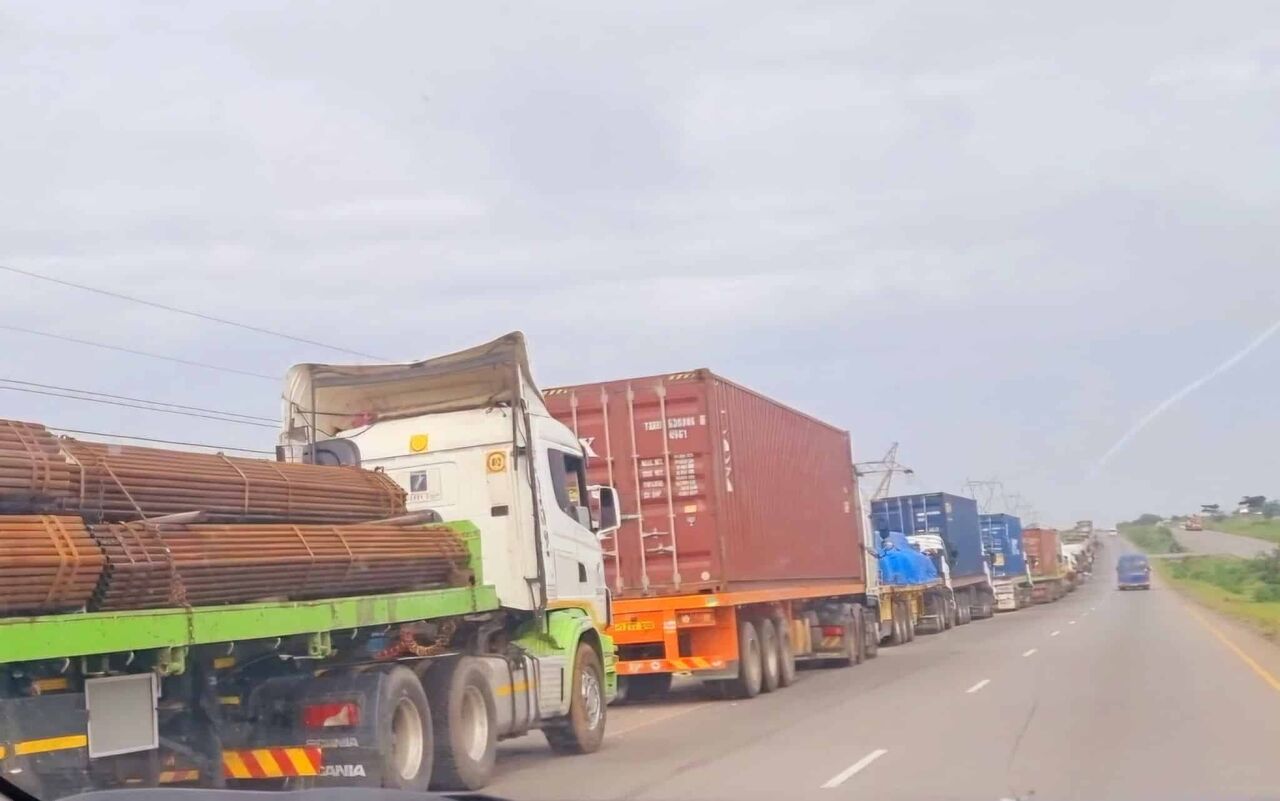
Zimbabwe has no direct access to seaports, making bulk mineral exports highly dependent on regional corridors through Mozambique and South Africa.
Key logistical challenges include:
MMCZ documentary approvals
Unreliable availability of rail wagons
Long inland transport distances to ports
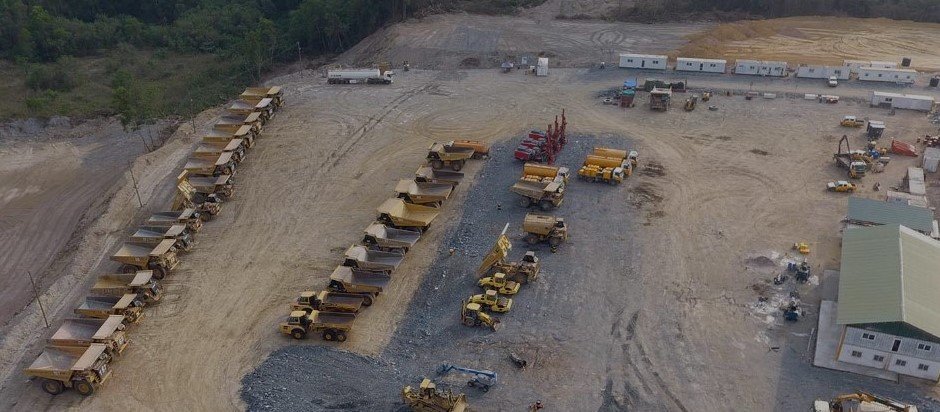
High cost and limited availability of tipper trucks
Capacity constraints at Beira, Durban, and Maputo ports
Border delays and congestion
Product losses and theft at rail sidings
These challenges are further intensified by:
Global container shortages
Port congestion
Escalating freight costs
Energy shortages
Inflation and geopolitical disruptions
As regional freight reports indicate, container turnaround times have doubled, significantly increasing transport costs across Southern Africa.
---
Mineral Export Permit: A Critical Compliance Requirement
All mineral exports from Zimbabwe require a Mineral Export Permit, issued by the Minerals Marketing Corporation of Zimbabwe (MMCZ).
This permit confirms that:
Minerals are legally mined and processed
Quality standards are met
Exports comply with local and international regulations
General Export Process Includes:
1. Obtaining mining, environmental, and export licenses
2. Quality certification and MMCZ approvals
3. Packaging and inland transportation
4. Customs declaration and duty payments
5. Issuance of shipping documents (Bill of Lading, Export License)
6. Cross-border and destination customs clearance
Failure at any stage can lead to costly delays or shipment rejections.
---
Understanding Mineral Export Logistics
Mineral export logistics involve multiple interconnected activities:
Mine-site loading
Road and rail transportation
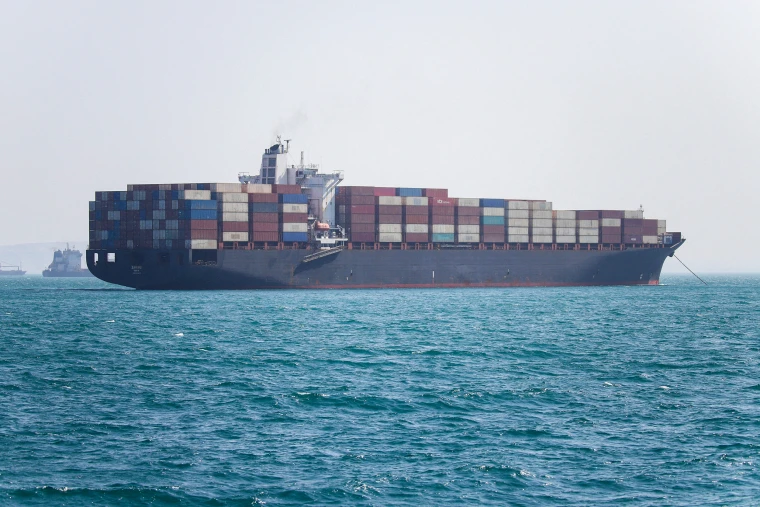
Port handling and vessel loading
Ocean or air freight
Destination customs clearance
Final delivery to buyers
In a highly regulated and volatile environment, customs compliance and operational precision are non-negotiable.
---
How Charius Freight Logistics Solves These Challenges
At Charius Freight Logistics, we specialize in end-to-end mineral export logistics from Zimbabwe to global markets.
Our solutions are built on:
Advanced operational planning
Pre-verification of all export permits and documentation before loading
Reliable access to tipper trucks, containers, and carrier capacity
Strong working relationships with border agents, ports, rail operators, and carriers
Daily shipment reporting and real-time monitoring
Integrated road, rail, sea, and customs clearance under one roof
By ensuring that weights, permits, and documentation are fully aligned before border crossing, we significantly reduce delays, penalties, and operational risk.
---
Conclusion: Logistics Is the Key to Mining Growth
Zimbabwe’s mineral export sector is booming, driven by lithium, platinum, nickel, iron ore, and chrome exports, particularly to China and Asia. However, the true constraint to growth is not demand — it is logistics capacity and execution.
With the right logistics partner, these challenges become manageable.
Charius Freight Logistics stands at the intersection of mining, compliance, and global trade, delivering reliable, transparent, and scalable export solutions for mining companies of all sizes.
> From mine to port, border to buyer — Charius Freight Logistics moves Zimbabwe’s minerals to the world.
For mineral export solutions, customs clearance, bulk transport, and international freight forwarding, contact Charius Freight Logistics today.